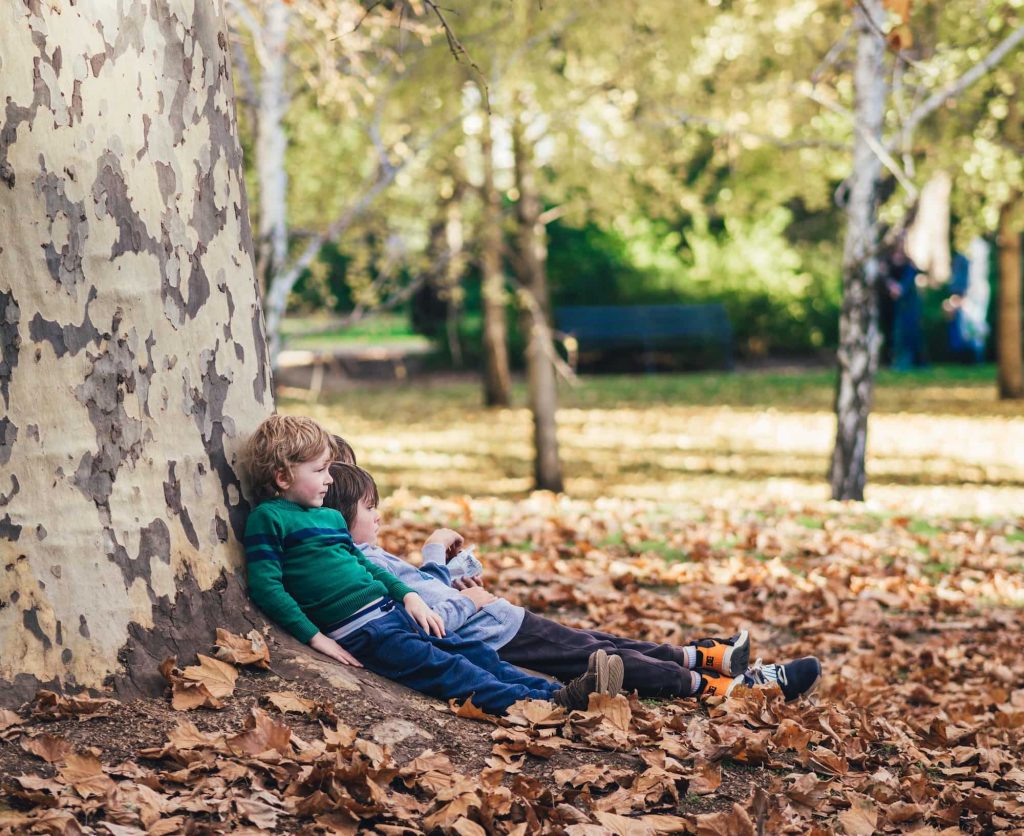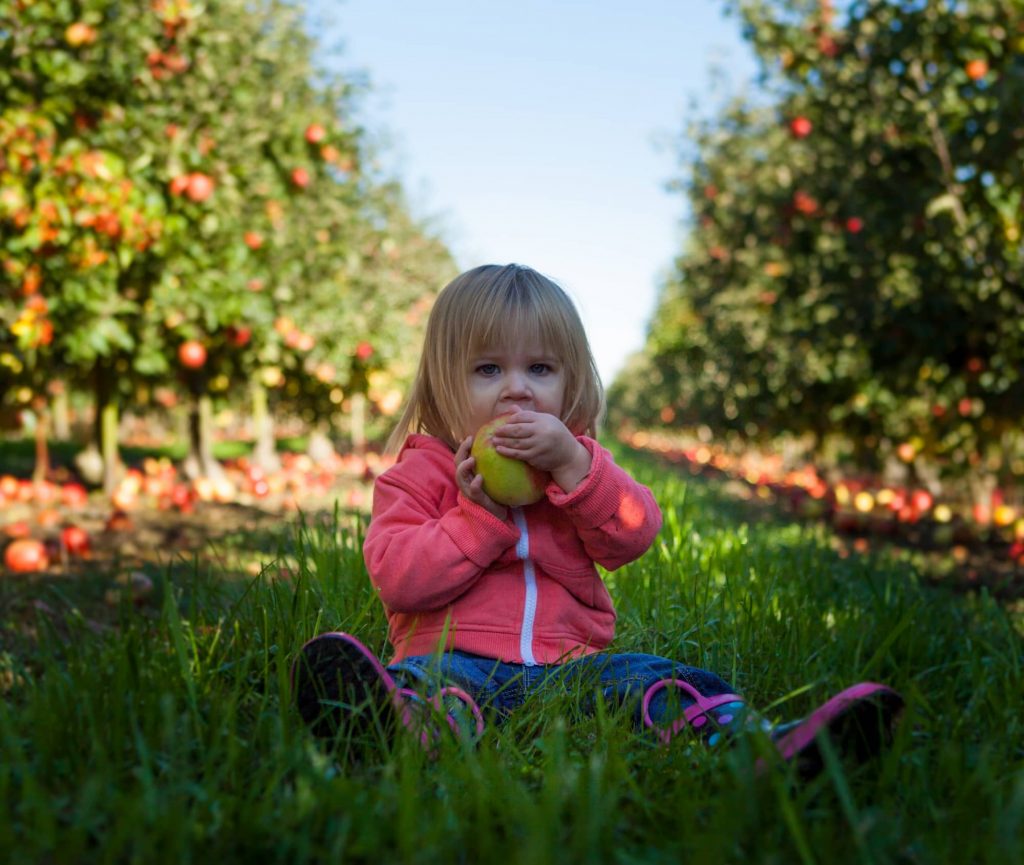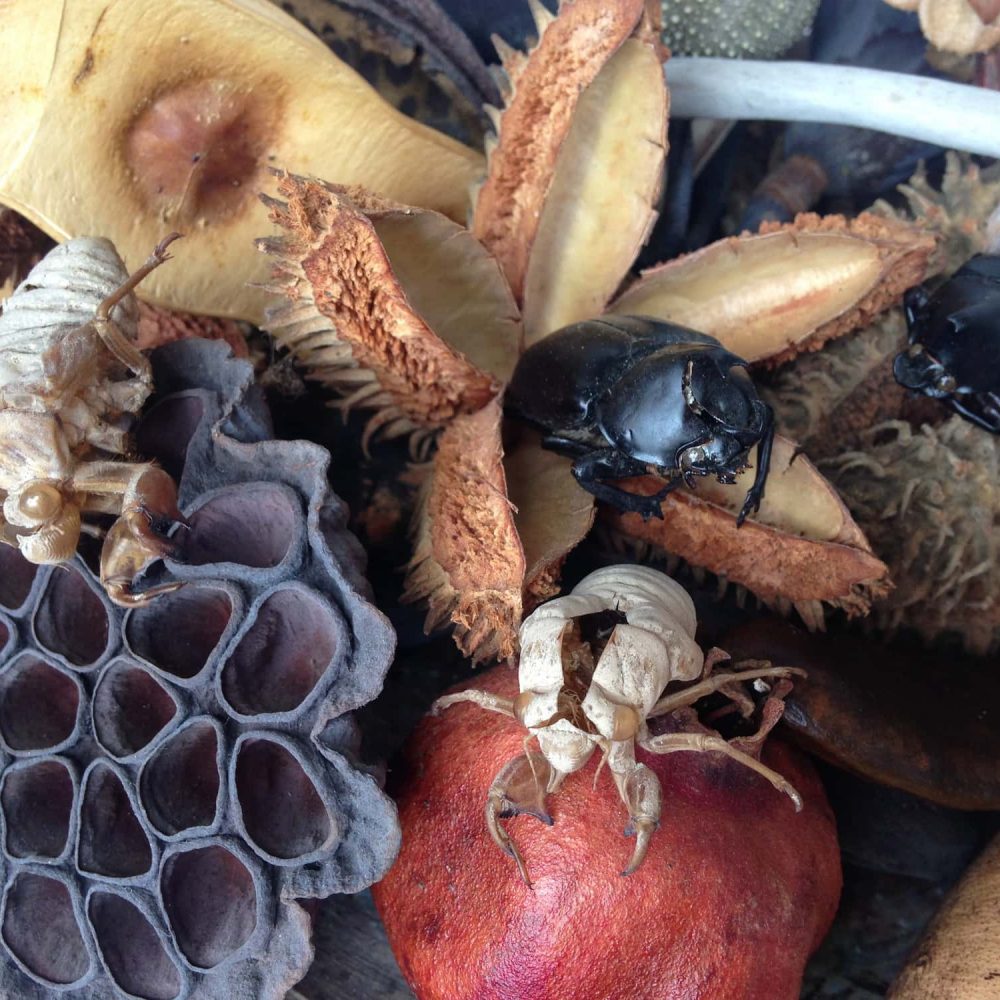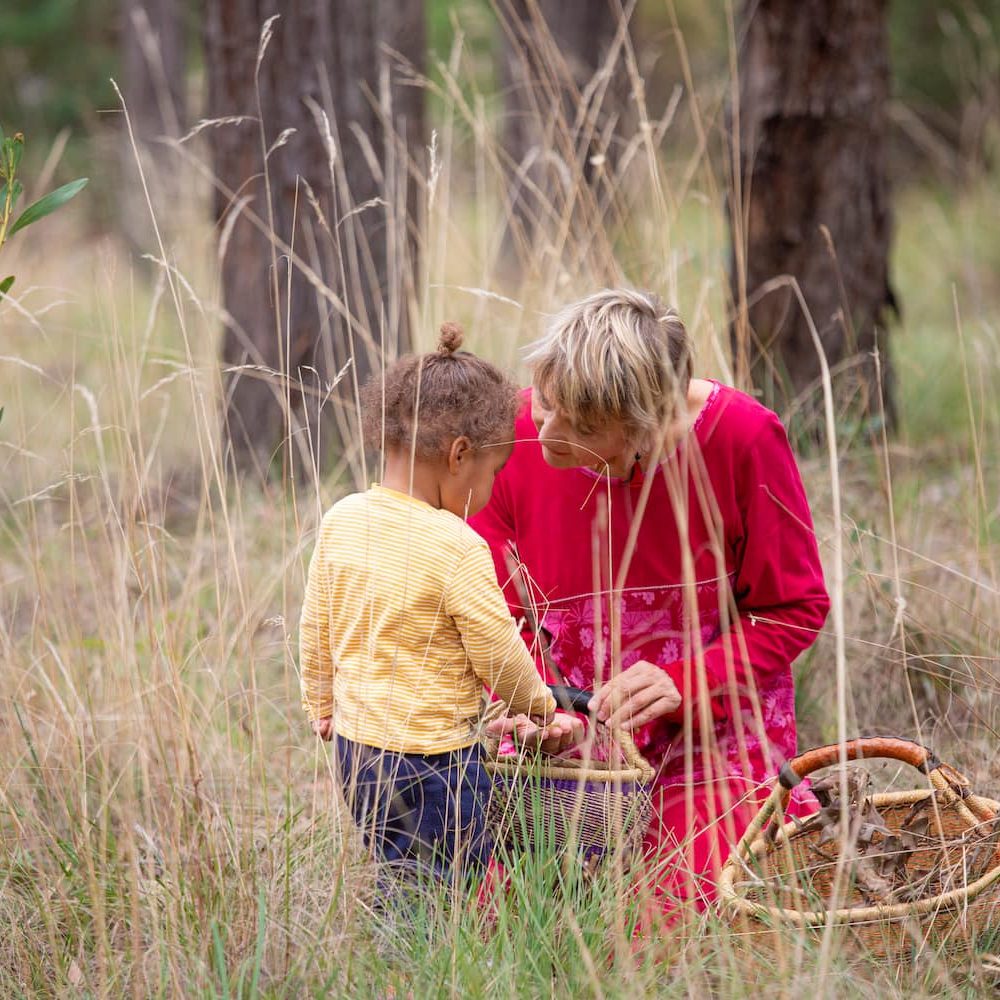

Plants are a wonderful catalyst for stimulating the five senses, an essential component of nature play. All flora are sensual, children love to interact with greenery – to look, feel, smell, taste and pick.
Touch
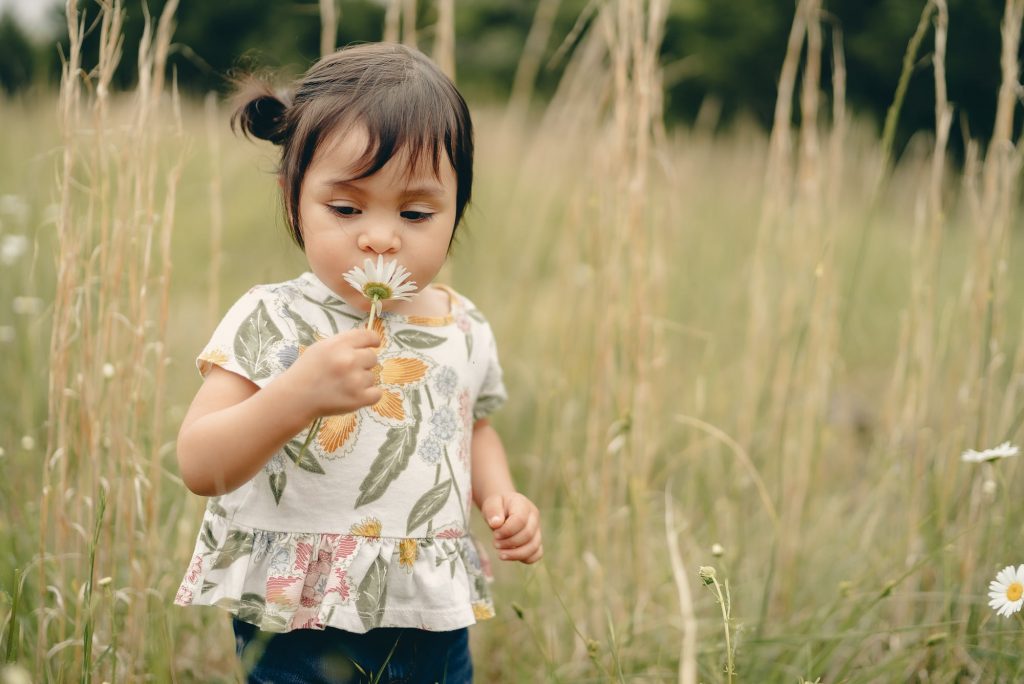
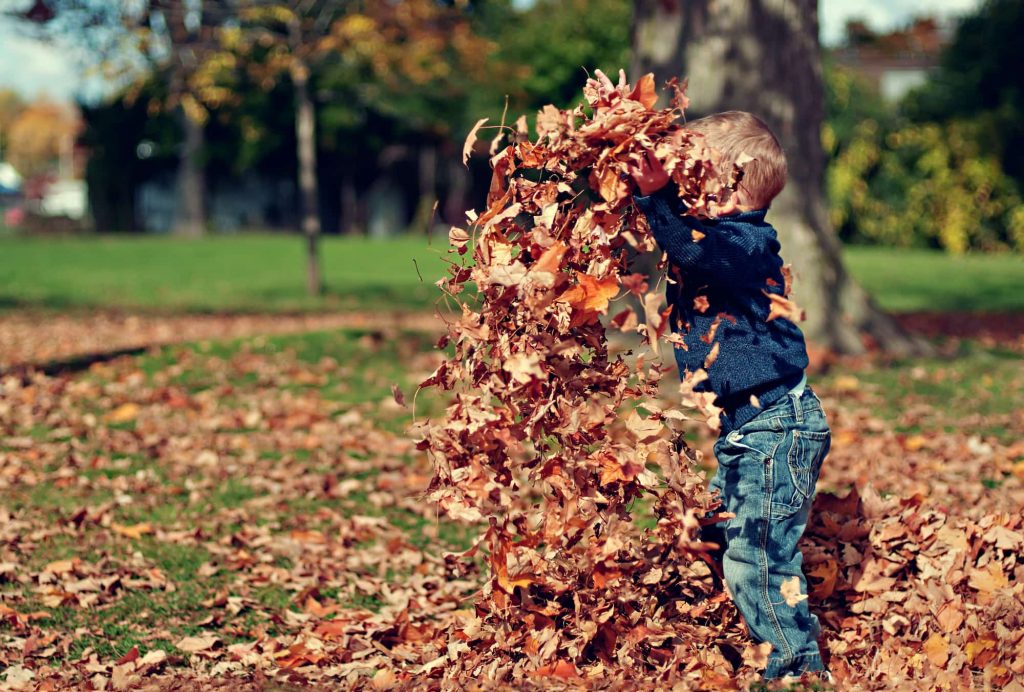
To stimulate touch, try plants with odd textures. The soft, furry leaves of Lamb’s Ear compared to the gnarled pod of a Banksia or even the slightly prickly seed-pod of a She-oak. Or a delicate flower petal compared to the rough leaf of the Sandpaper Fig. Touch is all about the sensory qualities of soft, smooth, hard, rough, bumpy, silky and plants are great for teaching these qualities.
Smell
You can’t go past the hardy Rosemary for instant aroma after running your hand through it! As well as aromatic leaves from many different plants, like the Lemon Scented Myrtle. Fragrant flowers are wonderful too, children love sticking their noses in blooms. Scents can be subtle or strong and occasionally unpleasant – like the lily in my Brisbane garden that looked pretty and innocent, but smelt like cat piss!
Plants are wonderful feasts for the eyes offering a riot of colour, shapes and texture.
Sight
Plants are wonderful feasts for the eyes offering a riot of colour, shapes and texture. Annual flowering plants are the perfect gift for exploring all hues of the rainbow. The dramatic Sunflower also provides a sense of scale, growing from tiny to enormous in a matter of months. Explore plants with variegated or coloured leaves – grey, red, yellow and white in contrast to the usual green.
Taste
What is more satisfying than growing food to eat? My favourite of all is the native Dianella strap-leaf plant that has sprays of iridescent purple edible berries – perfect for picking and popping into little mouths! Citrus fruits can be grown in pots and will delight children. Grow herbs and vegetables – basil and tomatoes are a great combination as well as edible flowers such as nasturtium.
Sound
Perhaps the more challenging sense to explore is sound – it can be subtle in plants and asks for our focussed attention. Listen quietly and you will hear the breeze rustling in the trees, (a whistle in the case of the she-oak) or run your hands through ornamental grasses to hear the swish, swish of seed heads. Try the ‘snap!’ of the sugar snap pea or other pods. Or ‘grow’ a musical instrument – like the gourd vine to make rattles and drums.
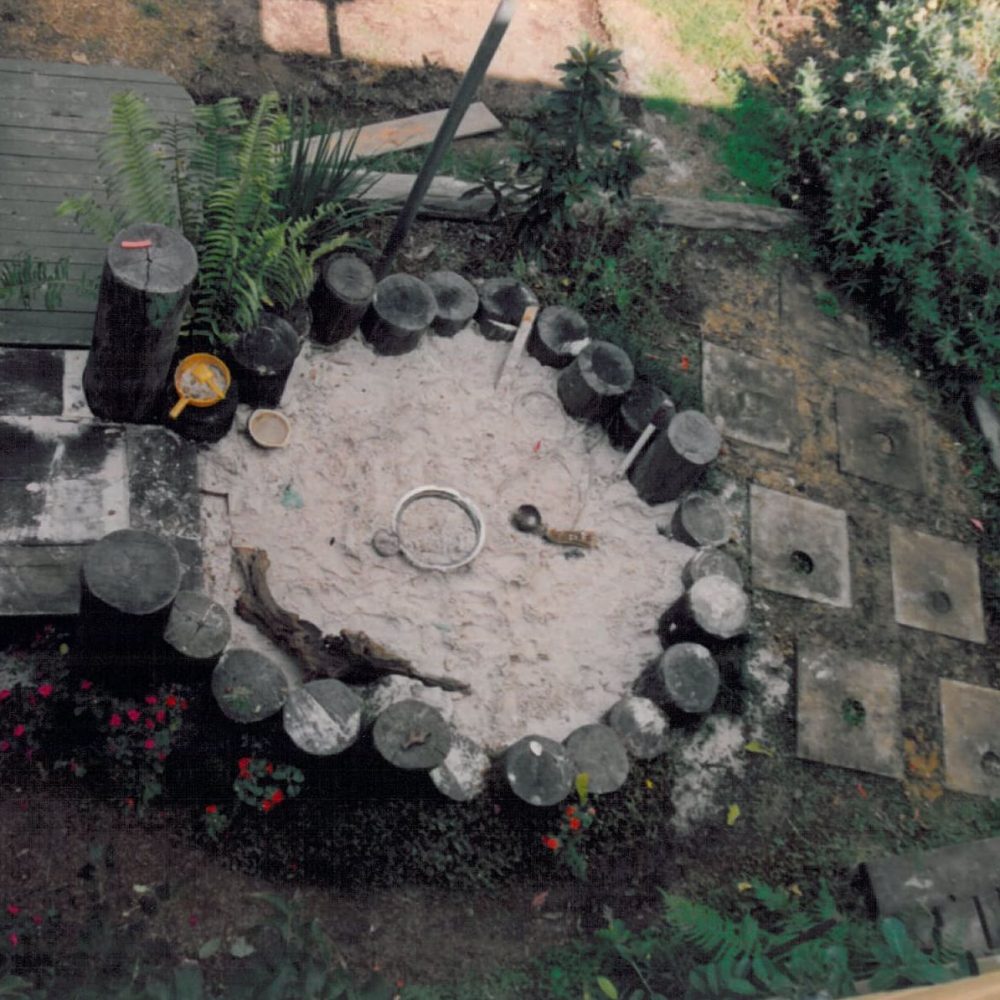
I suggest exploring the vegetation you have at hand in your garden or childcare centre and seeing which sense they speak to.
What other plants can you add to your play space for more sensory experiences?